Where to place a standby generator
Updated
A standby generator sits in one spot for its whole life, and that spot has to clear several rules at once: manufacturer clearances, fire code, and local setback. Getting it wrong is the most common installation problem and the hardest to fix after the pad is poured.
What placement has to satisfy
- Clearances from the building. The unit needs space from the wall, usually 18 inches to 5 feet depending on the model and which side. This is about fire safety and airflow, not just noise.
- Clearance from openings. Intake and exhaust can’t point at windows, doors, or intake vents. The concern is exhaust gas entering the home.
- Clearance from combustibles. NFPA 37 governs stationary combustion engines and sets the fire-safety minimums. Local code often adds to it.
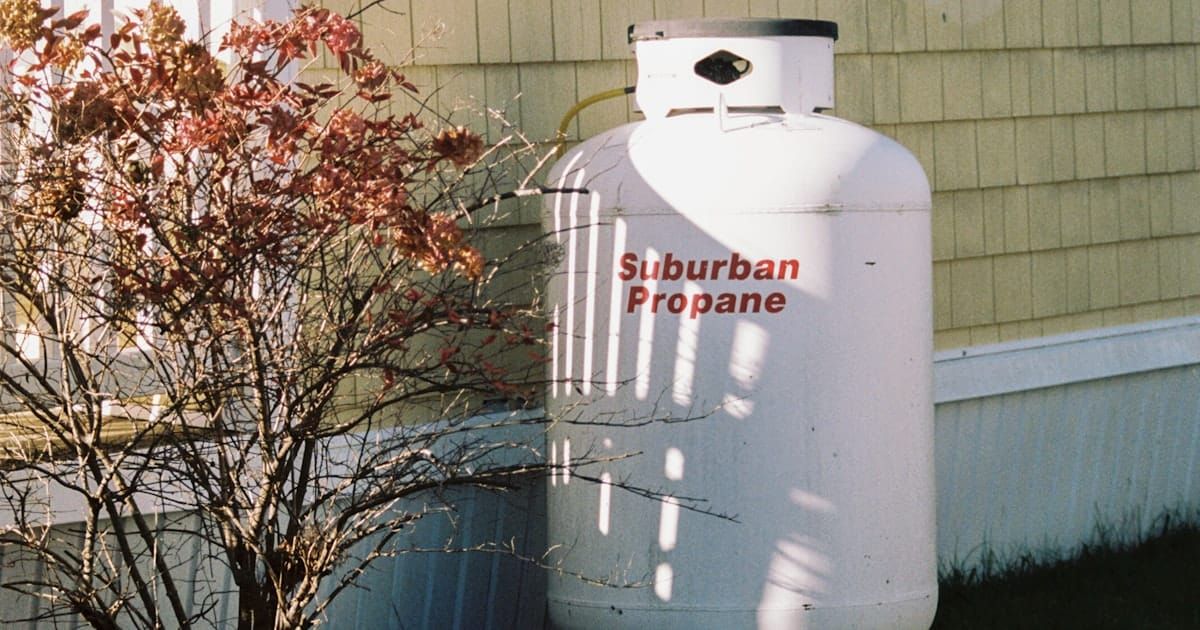
- Fuel access. A natural gas unit needs a gas line run. A propane unit needs a tank with its own setbacks from the building and the property line.
- Service access. A technician needs to reach all sides for the annual service. A unit boxed in by landscaping is hard to service.
- Local setback and noise rules. Many towns have their own setback from the property line and a noise limit. Your authority having jurisdiction (AHJ) is the final word.
The common mistakes
- Too close to a bedroom or living room window. Exhaust drifts in. Manufacturers and code both push the unit away from openings.
- Tucked under a deck or overhang. Traps heat and exhaust, and is usually disallowed.
- Right on the property line. Often fails the local setback, which means moving the pad after the fact.
- No room to service. Looks tidy until the technician can’t reach the oil drain.
- Forgetting the fuel run. A generator placed far from the gas meter or the propane tank means a longer, more expensive fuel line.
How to decide
Placement is an installer decision, because it has to clear code and the manufacturer’s drawings at the same time. The shape of it is:
- Size the generator first, because the size and fuel change the clearance and the fuel run.
- Pick a side of the house that’s away from windows and bedrooms and close to the fuel source.
- Confirm the local setback and noise rules with your AHJ before the pad is poured.
- Leave service access on all sides the manufacturer requires.
A local installer knows the local rules and the common pitfalls. Use one, and confirm the spot before any concrete goes in.
Placement is part of the installed cost
The fuel line length, the pad, the permit, and any landscaping removal all land in the installed price. A spot that needs a long gas run or a lot of prep costs more. See what a whole-house generator costs installed and factor placement into the quotes you compare. Once the unit is sized and sited, the transfer switch and the install come together in one permitted job.
Common questions
- How far does a generator need to be from the house?
- Most manufacturers specify 18 inches to 5 feet from the house, depending on the model and which side faces the wall. NFPA 37 and local code set the minimums. The clearance is about fire safety and intake and exhaust airflow, not just noise.
- Can I put a generator under a deck or near a bedroom window?
- Usually no. A generator needs clearance from openings (windows and doors), from combustible construction, and from intakes. Under a deck is rarely allowed because of exhaust trapping. Local code often adds to the manufacturer's minimums, so confirm with your AHJ and your installer.
Sources
The claims in this guide trace back to these citations.
- Generac: installation guidelines and clearances · checked July 2026
- Kohler: generator placement and clearances · checked July 2026
- NFPA 37: Standard for the Installation and Use of Stationary Combustion Engines · checked July 2026